
Performance & Bio-mechanical Testing
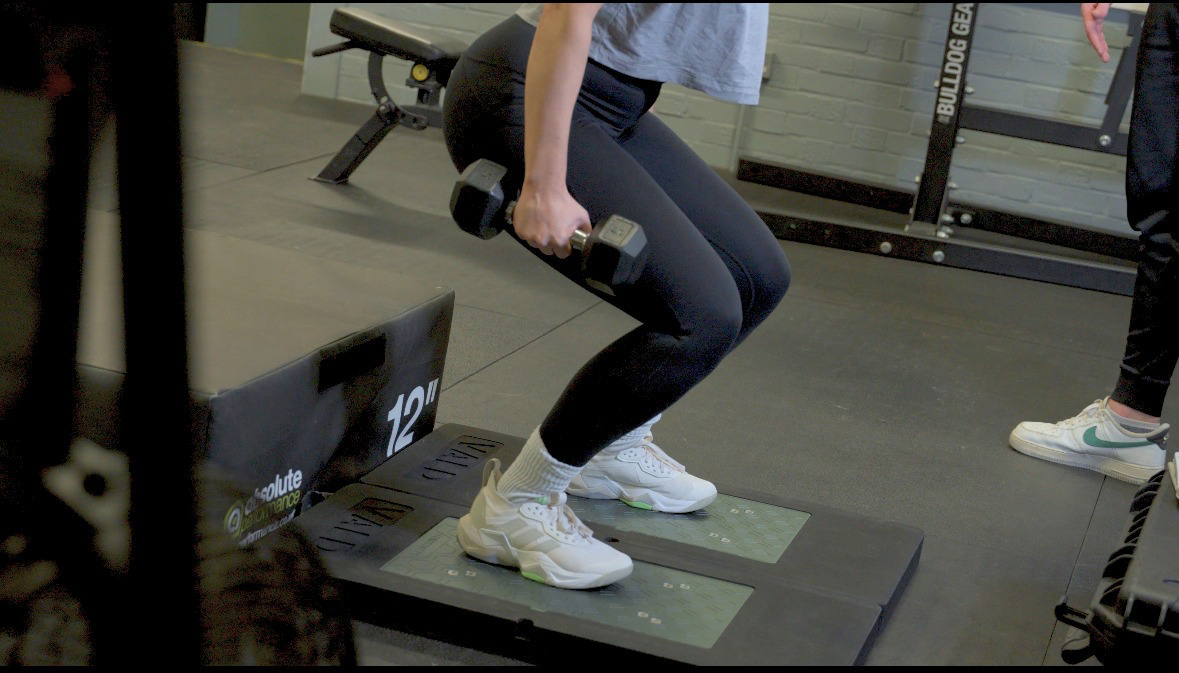
Objective testing to understand strength, movement and physical capacity.
Whether you're returning from injury, looking to understand your current physical performance or wanting objective data to track your progress, objective testing provides measurable information to complement your assessment and rehabilitation.
What is Performance & Bio-mechanical Testing?
Performance and biomechanical testing uses objective measurements to provide a clearer understanding of how you produce force, move and perform during specific physical tasks.
Rather than relying solely on observation or subjective measures, objective testing can provide quantifiable information about aspects of your strength, force production and physical capacity.
Testing is selected according to your individual goals and may be used to:
Establish a baseline of your current physical capacity
Identify differences between limbs where appropriate
Measure aspects of strength and force production
Assess jump and landing performance
Monitor changes throughout rehabilitation
Support return-to-sport decision making
Inform performance and training programmes
Testing is not about producing numbers for the sake of it. The results are interpreted alongside your history, physical assessment, goals and the demands you need to meet.
Who can benefit from objective testing?
Objective testing can be useful for a wide range of people, not just competitive athletes.
Injury Rehabilitation
Testing can provide objective information about strength and physical capacity during rehabilitation and help monitor changes over time.
Return to Sport
Testing can form part of a broader return-to-sport assessment, providing additional information when progressing towards higher levels of training and competition.
Performance Development
Athletes and active individuals can use objective data to better understand aspects of their physical performance and identify areas that may benefit from further development.
Baseline Testing
Establishing a baseline can provide a useful reference point for future comparison, whether you're starting a new training programme or simply wanting to understand your current capacity.
Recreational Exercise
You don't need to compete in sport to benefit from objective testing. It can be useful for anyone interested in understanding their strength, physical capacity or progress.
What can we test?
The testing used will depend on your goals, activity levels and the information we're looking to understand.
ForceDecks
ForceDecks force plates can provide objective information about force production during a range of movements and performance tests.
Depending on the assessment, this may include information relating to:
Jump performance
Force production
Eccentric and concentric force
Rate of force development
Left-to-right differences
Landing characteristics
Changes in performance over time
ForceDecks testing can therefore be incorporated into rehabilitation, return-to-sport and performance assessments where appropriate.
Hand-Held Dynamometry
Hand-held dynamometry (HHD) allows objective measurement of muscle strength during specific testing positions.
It can be used to:
Measure strength
Compare left and right sides
Establish baseline strength
Monitor changes during rehabilitation
Provide objective information alongside clinical assessment
HHD can be particularly useful when monitoring strength development following injury or when assessing differences between limbs.
Functional & Performance Testing
Depending on your goals, testing may also include functional and performance-based assessments.
These can include appropriate:
Jump tests
Hop tests
Strength tests
Movement-based assessments
Sport-specific performance tasks
The tests selected will depend on the individual rather than following a fixed testing battery.
Turning data into useful information.
Test. Interpret. Progress.
Objective testing is only useful when the results are interpreted within the context of the individual.
01 — Test
Appropriate testing is selected based on your goals, current ability and the physical demands you need to meet.
02 — Interpret
Your results are considered alongside your symptoms, injury history, physical assessment, training demands and rehabilitation goals.
03 — Progress
The findings can help inform rehabilitation, training and future testing, allowing changes in physical capacity to be monitored over time.
A single measurement does not tell the whole story. The value comes from understanding what the data means for you.
How Can Testing Support Rehabilitation?
Objective testing can complement your wider MSK assessment and rehabilitation programme.
Establish a Baseline
Understand your current level of strength or physical capacity at the beginning of rehabilitation.
Guide Rehabilitation
Provide additional information that can help inform exercise selection and progression.
Monitor Progress
Repeat appropriate testing can demonstrate changes in strength or performance over time.
Support Return to Activity
Objective measures can provide additional information as you progress towards higher levels of physical demand.
Identify Areas for Development
Testing may highlight areas of strength or performance that could benefit from further training.
Testing should not be used in isolation to determine whether someone is ready to return to sport. It forms one part of a broader assessment that considers the individual, their symptoms, physical capacity and the demands of their activity.
Why Choose Resilient Motion?
At Resilient Motion, objective testing is combined with Sports Therapy expertise, musculoskeletal assessment and exercise rehabilitation.
The aim isn't simply to collect data — it's to turn that information into something useful for your rehabilitation or performance.
Objective Measurement
Use of technologies such as ForceDecks and hand-held dynamometry can provide measurable information about strength and physical capacity where appropriate.
Individualised Testing
Testing is selected around your goals, current ability and the demands you need to meet rather than using a one-size-fits-all approach.
Clinical & Performance Context
Results are interpreted alongside your symptoms, history, movement, training and wider assessment.
Rehabilitation Expertise
Testing can be incorporated into a broader rehabilitation programme, helping to monitor changes and inform progression.
Performance Focus
For active individuals and athletes, testing can provide useful information about physical performance and areas for development.
Meaningful Data
The focus is on understanding what the results mean and how they can inform your next steps.
Frequently Asked Questions
-
Performance and biomechanical testing uses objective measurements to assess aspects of strength, force production, movement and physical capacity. Testing is selected according to your individual goals and can be used within rehabilitation, return-to-sport or performance settings.
-
Testing may include ForceDecks force plate testing, hand-held dynamometry, strength assessments, jump and hop testing and other functional or performance-based assessments. The tests used will depend on what we're trying to understand.
-
ForceDecks are force plates that measure the forces produced during different movements and physical tests. They can provide objective information about aspects of force production, jump performance, landing and left-to-right differences.
-
Hand-held dynamometry is a method of objectively measuring muscle strength during specific testing positions. It can be useful for establishing strength baselines, comparing sides and monitoring changes during rehabilitation.
-
Yes. Objective testing can provide additional information about strength and physical capacity during rehabilitation, helping establish baselines and monitor changes alongside your wider assessment and rehabilitation programme.
-
Yes. Testing can form part of a broader return-to-sport assessment and provide objective information as you progress towards the demands of training and competition. However, testing results should not be used in isolation to determine readiness.
-
No. Testing can be useful for athletes, recreational exercisers and individuals undergoing rehabilitation, depending on their goals and the assessment required.
-
Yes. Performance testing can be used to establish a baseline, understand aspects of your current physical capacity or identify areas for development even when you're not injured.
-
There is no universal testing schedule. Repeat testing may be appropriate after a period of rehabilitation or training when you want to objectively monitor changes. The timing will depend on your goals and the type of testing being performed.